

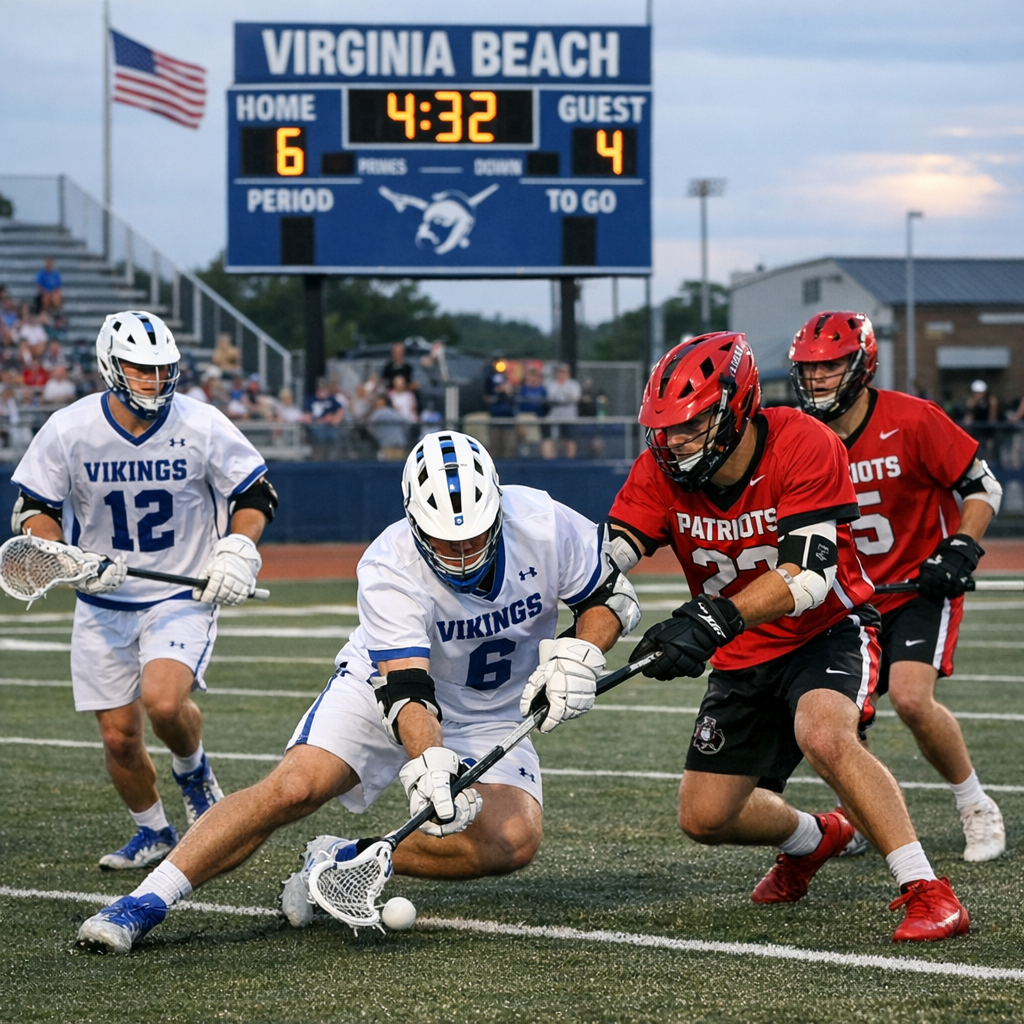
Sports are doing more than filling stadiums—they’re building community across the U.S., and Virginia Beach is part of the movement. From growing national participation to embracing new sports, here’s how local high schools and community leagues are evolving for today’s student athletes.
National Trends Making Waves
The latest NFHS data shows high school athletics have hit a new peak, with more than 8.4 million participant entries in the 2025-26 school year. That growth comes alongside the fastest increases seen in girls’ flag football and girls’ wrestling. Both sports are no longer fringe—they’re becoming staples in programs nationwide. Meanwhile, girls’ basketball participation has dipped significantly compared to early 2000s levels, raising concerns about equity and retention.
Virginia Beach: Local Ecosystem Rising
Virginia Beach is more than keeping pace—it already supports a robust sports framework. The Virginia Beach City Public Schools’ Beach District alone includes 11 high schools offering the full slate of fall, winter, and spring VHSL sports including cross-country, football, lacrosse, track & field and more.
Youth sports also draw strong community participation. Parks and Recreation runs leagues from age 10 through 18 with “farm leagues” under 10 in sports like basketball, flag football, softball and volleyball. Aquatics, 7v7 participating options, and summer-league gaps are being filled steadily.
Emerging Programs & Facilities
Beach volleyball has surfaced as a fast-growing opportunity. Locally, clubs like TVA and Beach 757 offer strong competitive pathways for girls, including exposure that can lead to college recruitment.
Additionally, academy programs within the school system—such as those for STEM, arts and environmental studies—provide academic partners for athletes, creating environments where sports and schooling support each other.
Challenges & Areas For Growth
With growing participation nationally and locally, funding and infrastructure become critical issues. Schools need enough coaches, officials, facilities, and safe travel. Without support, some sports may struggle to stay alive despite interest.
Another concern mirrors what’s happening at the national level: keeping girls engaged in sports. Sports like basketball have seen significant decline among female athletes, while others like flag football are growing rapidly. Addressing barriers and creating options that resonate could help reverse declines and promote inclusion.
What’s Ahead
For Virginia Beach, the path forward includes sustaining inclusivity, investing in facilities, and continuing to develop emerging sports. Collaboration between school boards, community leagues, and parents will be key. Programs that integrate academics, exposure (like through film breakdowns or tournaments), and wellness will position local athletes to thrive.
Next time you cheer a game or register a child for league play, you’re part of a broader movement shaping youth sports across America. Virginia Beach is already in motion.