

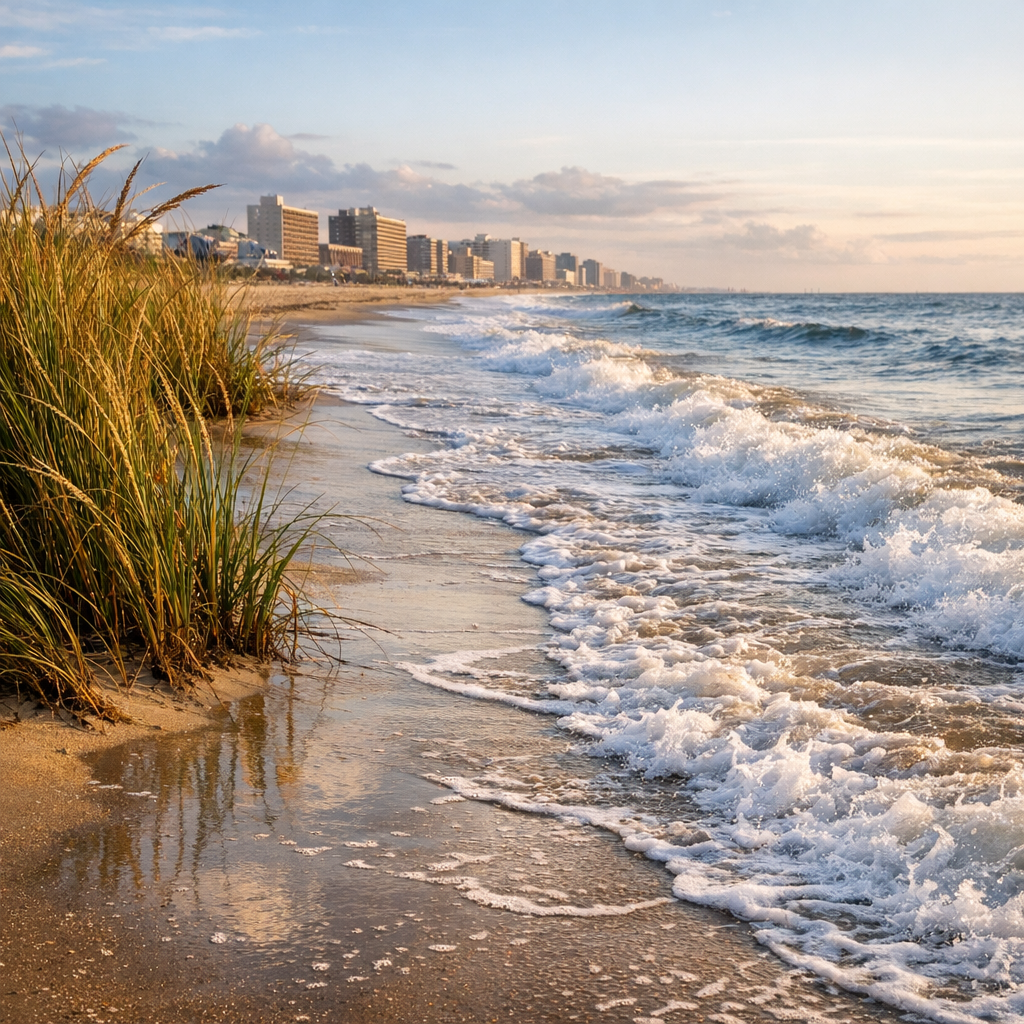
Here in Virginia Beach, shifts in both weather patterns and the environment are no longer distant possibilities—they’re part of our daily lives. Between hotter, muggier summers, incremental sea-level rise, and changing flood risks, our coastal community is facing challenges—and opportunities—for resilience and adaptation.
What changing seasons look like
Even without climate data charts in front of you, the changes are visible. Summers are warmer and stickier, with high humidity stretching late into the day. Winter, while still relatively mild, has become more unpredictable—one month brings surprise warmth, another flings a brief cold snap. These changes affect everything from when fishermen launch to when beachgoers flock here. The growing season is always long—experiencing more frost-free days than much of Virginia, especially inland.
Rain and storms: When weather gets intense
Summer storms are nothing new, but their intensity and timing are shifting. We’re seeing more intense afternoon thunderstorms, and high-tide flooding is becoming more frequent when storms coincide with elevated sea levels. Rainfall is fairly evenly distributed throughout the year, but late summer still accounts for the wettest stretch. Any rain now has greater potential to trigger localized flooding, especially in low-lying or poorly drained neighborhoods.
The sea isn’t staying still: rising waters & shoreline impact
Virginia Beach is grappling with rising relative sea levels. Since 1970, tide gauges show sea levels along our coast have already risen about 11 inches—and projections suggest another foot or more by 2050 if current trends continue. Land subsidence (the gradual sinking of land), changing ocean currents, and increasing storm surges make this effect worse for places near the shore and the rivers.
Meanwhile, erosion of beaches and wetlands is threatening ecosystems and property. Salt marshes, dunes, wildlife habitats—these natural buffers are under pressure. They’re vital not just to biodiversity, but to flood protection, water quality, and the character of the shoreline.
What’s being done—and what you can do
The City of Virginia Beach, together with federal partners, is working to assess risks and develop resilience strategies. A key ongoing project, the Coastal Storm Risk Management Feasibility Study, is investigating options like floodwalls and nature-based solutions to protect neighborhoods from future flood threats. The adaptation plan also targets improvements to stormwater infrastructure, coastal setback policies, and protecting open space. Community feedback is central to shaping those projects.
As residents, there are actions we can take that make a difference:
- Understand your flood risk—look up tide histories, check local maps.
- Support or volunteer with efforts to preserve wetlands, dunes, and marshlands.
- Plant native tree species, reduce impervious surfaces around your home to aid drainage.
- Stay involved in public planning meetings tied to coastal projects—your voice — and vote — help determine what protections are built.
Virginia Beach has always been defined by the sea—its beauty, its trade, its power. As our environment shifts with the seasons and the tides, it’s clear we’ll need to lean on both science and community spirit to preserve what we love, and protect what’s essential.